
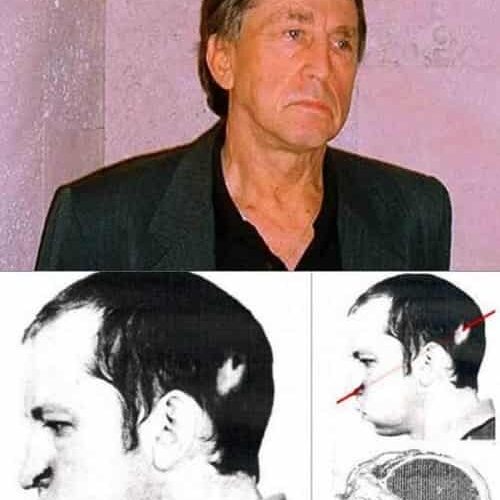
Anatoli Bugorski: The Man Who Survived a Proton Beam Accident
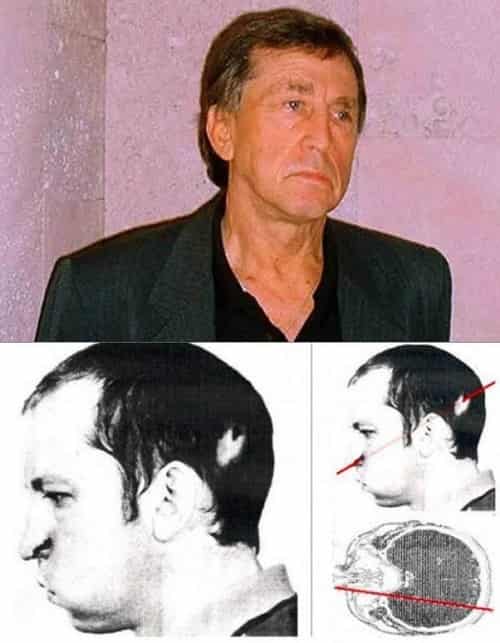
Anatoli Petrovich Bugorski, born on July 25, 1942, is a Russian scientist who worked as a particle physicist. He worked on the Soviet Union’s largest particle accelerator, known as the “U-70 Synchrotron.” This massive machine was located at the Institute for High Energy Physics in Protvino.
On July 13, 1978, Bugorski experienced a life-changing accident during an experiment at the U-70. Despite everything going wrong that day, he miraculously survived a proton beam passing through his head.
What Happened?
During an experiment, Bugorski noticed that something inside the U-70 machine was not working properly. As part of safety rules, a light outside the experiment room would glow to warn that proton beams were active inside. Additionally, a security system would lock the door to keep people out when the machine was running.
Unfortunately, several safety measures failed that day:
- The automatic door lock had been disabled because someone thought it was unnecessary.
- The warning light was burned out and didn’t show that the beam was still active.
- Bugorski entered the room earlier than planned, unaware of the risks.
When he leaned over the equipment to inspect the malfunction, a powerful proton beam struck him. Bugorski described the experience as seeing a flash of light “brighter than a thousand Suns.” The beam entered his head near his left eye and exited behind his left ear. Surprisingly, he felt no pain at that moment.
After the Accident
Instead of raising an alarm, Bugorski quietly wrote down what he had done during the inspection and went home. He understood that the situation was serious and could be fatal. That night, the left side of his face swelled up significantly.
The next day, Bugorski decided to see doctors and radiation experts. Tests revealed shocking results: the proton beam delivered an enormous dose of radiation to his head—200,000 Roentgens at the entry point and 300,000 at the exit point. To put this into perspective, 1,000 Roentgens of radiation is usually enough to kill a person.
Why Did He Survive?
The key to Bugorski’s survival lies in something called “stopping power.” Stopping power refers to how much energy a material can absorb or slow down. In this case, the human head does not have enough stopping power to slow down a proton beam.
Instead of releasing all its energy inside his brain, the beam passed straight through his head without scattering much radiation. If the beam had lost energy inside his head, it would have caused instant death by releasing deadly amounts of radiation in his brain tissue.
Because the beam traveled quickly and directly, Bugorski was only exposed to radiation for a very short time. However, the radiation he did absorb was still extremely dangerous.
Long-Term Effects on Bugorski
Although he survived, the accident left Bugorski with permanent health issues. The left side of his face became paralyzed, and he lost almost all hearing in his left ear. Over time, he began experiencing frequent epileptic seizures and found it difficult to focus or concentrate.
Bugorski’s medical treatments are expensive, and he struggles to afford them. Sadly, the Soviet government never officially recognized his disability or the seriousness of the accident. Because his case was kept secret for many years, it wasn’t documented properly.
Why the Accident Was Kept Quiet
During the Soviet era, incidents involving nuclear radiation were heavily censored. Bugorski’s accident happened in 1978, but it wasn’t acknowledged until after the Chernobyl nuclear disaster in 1986. Before that, the government did not officially recognize victims of radiation accidents.
Even after the case became known, Bugorski faced many difficulties. The government did not classify his condition as a “nuclear accident,” so his medical records didn’t reflect the true cause of his injuries. Additionally, officials blocked outside organizations, such as charities, from helping him pay for his treatments.
One well-known philanthropist, George Soros, showed interest in helping Bugorski, but his efforts were stopped by government restrictions. To this day, Bugorski receives little support for the injuries he suffered.
A Remarkable Survival Story
Anatoli Bugorski’s story is both fascinating and tragic. He survived one of the most extreme accidents imaginable—a proton beam shooting through his skull. Despite the hardships he faced afterward, Bugorski’s experience remains a unique case in scientific history.
His survival highlights the incredible unpredictability of radiation exposure and the resilience of the human body. However, his struggle for recognition and proper medical care is a reminder of the challenges faced by victims of radiation accidents, especially during a time of secrecy and censorship.
FAQ: Anatoli Bugorski’s Proton Beam Accident
1. Who is Anatoli Bugorski?
Anatoli Petrovich Bugorski is a Russian particle physicist born on July 25, 1942. He worked at the Soviet Union’s largest particle accelerator, the U-70 Synchrotron, at the Institute for High Energy Physics in Protvino.
2. What happened to Anatoli Bugorski?
In 1978, Bugorski accidentally walked into the path of a high-energy proton beam while inspecting a malfunction inside the U-70 accelerator. The beam entered his head near his left eye and exited behind his left ear.
3. How did the accident occur?
Several safety failures led to the accident:
- The automatic door lock was disabled.
- A warning light signaling active proton beams was burned out.
- Bugorski entered the experiment room earlier than planned.
- A warning light signaling active proton beams was burned out.
- Bugorski entered the experiment room earlier than planned.
These errors allowed him to unknowingly walk into the path of the active proton beam.
4. How much radiation did Bugorski absorb?
The proton beam delivered approximately 200,000 Roentgens at the entry point and 300,000 Roentgens at the exit point. For comparison, exposure to 1,000 Roentgens is usually fatal.
5. Why did Bugorski survive?
The proton beam passed straight through his head without dispersing much energy. This is because the “stopping power” of human tissue is not strong enough to slow down the beam. If the beam had released all its energy inside his brain, it would have been fatal.
6. What were the long-term effects of the accident?
Bugorski experienced several health issues, including:
- Paralysis on the left side of his face.
- Hearing loss in his left ear.
- Frequent epileptic seizures.
- Difficulty concentrating.
7. Did Bugorski receive support for his injuries?
No, Bugorski received little to no support. The Soviet government kept the accident a secret for years and did not classify it as a nuclear incident. As a result, Bugorski struggled to get proper medical care or financial assistance.
8. Is Anatoli Bugorski still alive?
As of the latest information, Anatoli Bugorski is alive but continues to deal with health complications caused by the accident.
9. Why wasn’t the accident widely known?
The Soviet government censored incidents involving radiation and nuclear technology. Bugorski’s case remained secret until after the Chernobyl disaster in 1986.
10. What makes this story unique?
Anatoli Bugorski’s survival is one of the most remarkable cases in scientific history. He remains the only known person to survive direct exposure to a proton beam, a testament to both the unpredictability of radiation and the resilience of the human body.