
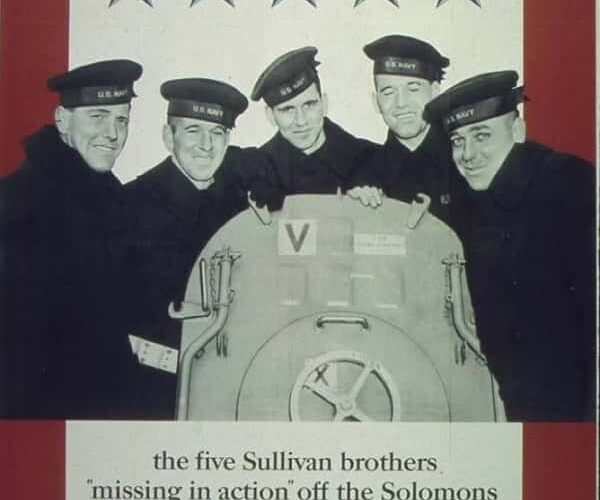
The Tragic Story of the Five Sullivan Brothers: Siblings Lost Together in World War II
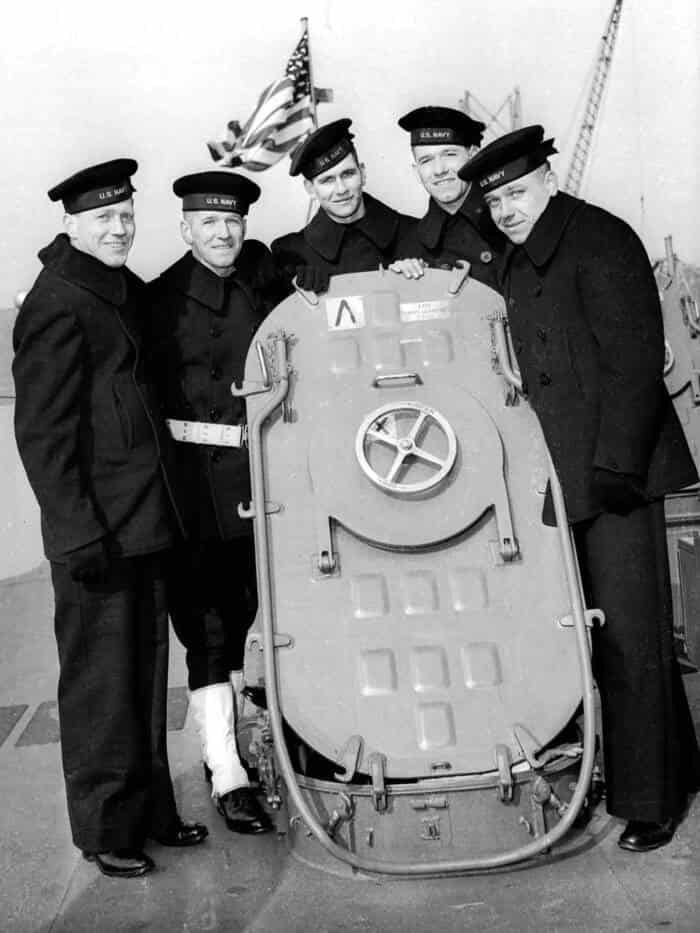
In November 1942, during World War II, all five Sullivan brothers were tragically killed while serving together on the USS Juneau, a ship that was struck by Japanese torpedoes. The Sullivan brothers’ story is one of love, bravery, and deep sacrifice for their country, becoming an inspiring symbol during a dark time in history.
Five Brothers With a Deep Bond
The Sullivan brothers came from a large family in Waterloo, Iowa. Their names were George, Frank, Joe, Matt, and Al, and they grew up as close friends, with a strong bond that carried them through life. When the Japanese bombed Pearl Harbor on December 7, 1941, this act of aggression not only drew the United States into World War II but also deeply impacted the Sullivan family.
The brothers lost a friend in the Pearl Harbor attack, and the grief and shock of this loss motivated them to act. They decided to enlist in the U.S. Navy to defend their country and honor their friend’s memory. However, they had one condition: they wanted to serve on the same ship.
Enlisting Together to Honor Their Friend
While the Navy had a policy that discouraged family members from serving on the same ship to prevent family-wide losses, the Sullivan brothers were determined. The two oldest brothers, George and Frank, had already served in the Navy previously and felt strongly about staying together. George even wrote to the Secretary of the Navy, insisting that he and his brothers be allowed to serve side-by-side. “We will make a team together that can’t be beaten,” he stated in his letter, showing just how committed they were.
In January 1942, the Navy accepted their request. The brothers trained together in Illinois and were eventually assigned to the USS Juneau. They would serve together as they wanted — but this decision would ultimately cost them their lives.
The Battle of Guadalcanal and the Sinking of the USS Juneau
The USS Juneau first operated in the Atlantic but was later sent to the Pacific Ocean, where some of the most intense battles of World War II took place. On November 12, 1942, the Juneau was involved in the Battle of Guadalcanal, a major conflict against the Japanese in the Solomon Islands.
During this battle, the USS Juneau was hit by a Japanese torpedo, causing heavy damage. The following morning, another torpedo struck the Juneau, creating a massive explosion that caused the ship to sink in just 42 seconds. Most of the men aboard lost their lives in the blast or shortly after. Sadly, this included all five Sullivan brothers.
Three of the brothers — Frank, Joe, and Matt — were killed instantly in the explosion. Al drowned the next day, and George, although he initially survived the sinking, later died at sea. There were reports that he may have fallen victim to shark attacks while waiting to be rescued.
The loss of the Sullivan brothers was devastating, not just to their family but to the entire country.
Bringing the Heartbreaking News Home
In January 1943, Thomas Sullivan, the father of the five brothers, received an unthinkable visit from two Navy officers. As soon as he saw their uniforms, Thomas feared the worst — but the reality was even more heartbreaking. The officers informed him that all five of his sons had been killed in action.
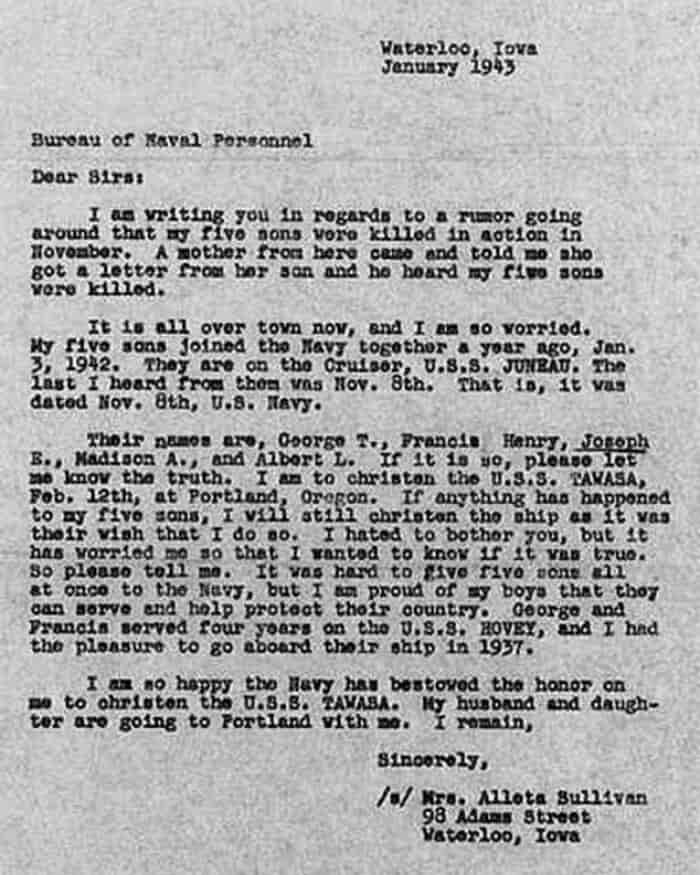
The Sullivans’ mother, Alleta, had also been trying to confirm rumors she’d heard about her sons. She had written to the Navy, saying she was proud of her sons but needed to know the truth. On January 12, 1943, the Navy confirmed that the brothers were missing in action. President Franklin Roosevelt also wrote a heartfelt letter to Thomas and Alleta, offering his condolences and honoring their sons as heroes who had fought side-by-side for their country.
The Impact of the Sullivans’ Sacrifice
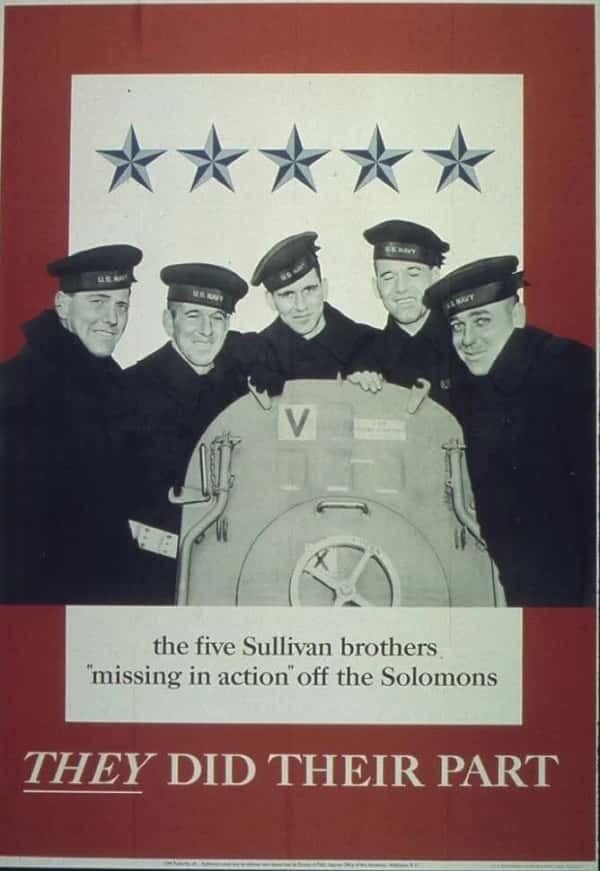
The Sullivan brothers’ tragic story spread quickly across the United States. People felt sympathy for the Sullivans and admired the brothers’ dedication to serving together. Their story became a powerful example of unity and bravery, encouraging people to support the war effort in any way they could.
To honor the brothers, the Navy named two ships “The Sullivans” after them. The first ship launched in 1943 and the second in 1997, each carrying the brothers’ motto: “We Stick Together.” Their story was also brought to life in the 1944 movie *The Fighting Sullivans*, which celebrated their lives and sacrifice.
The Sullivan family also worked to honor their sons. Alleta, Thomas, and the boys’ sister Genevieve traveled across the country, visiting factories and shipyards to boost the morale of workers producing war supplies. Their message inspired workers to keep pushing forward to help end the war.
Changes in Military Policy Following Their Deaths
The Sullivan brothers’ deaths had a lasting impact on military policies. While the Navy had previously discouraged siblings from serving together, the Sullivan brothers had been allowed to serve on the same ship after requesting it. Their story highlighted the risks of letting multiple family members serve in dangerous situations together, and soon after, the U.S. government implemented policies to prevent similar tragedies.
In 1948, the “Sole Survivor Policy” was created, which aimed to protect families who had already lost one or more children in military service. This policy made it less likely for entire families to suffer such heartbreaking losses again.
The Legacy of the Sullivan Brothers
The story of the Sullivan brothers is one of love, loyalty, and heroism. They are remembered not only for their bravery in the face of war but also for their dedication to each other. Their lives and deaths have left a lasting impact on the nation, showing the importance of family bonds and the sacrifices made during times of war.
The Sullivan brothers’ legacy lives on in the ships named after them, in the stories shared about them, and in the spirit of unity and sacrifice that they represented. Their story reminds us of the cost of war and the strength of family, inspiring generations to come.
FAQ: The Sullivan Brothers
1. Who were the Sullivan brothers?
The Sullivan brothers were five siblings from Waterloo, Iowa — George, Frank, Joe, Matt, and Al. They grew up close and were deeply bonded as a family. When World War II broke out, they enlisted together in the U.S. Navy, requesting to serve on the same ship.
2. Why did the Sullivan brothers join the Navy?
The Sullivan brothers joined the Navy after the Japanese attack on Pearl Harbor in 1941, which killed a friend of theirs. They wanted to serve their country and honor their friend’s memory by enlisting and fighting in World War II.
3. Why did the Navy allow the Sullivan brothers to serve on the same ship?
Although it was against Navy policy to place siblings together on the same ship, the Sullivan brothers requested a special exception. George Sullivan even wrote a letter to the Secretary of the Navy, asking that they be allowed to “stick together.” The Navy agreed, and all five brothers were assigned to the USS Juneau.
4. How did the Sullivan brothers die?
The Sullivan brothers were killed when the USS Juneau was struck by Japanese torpedoes during the Battle of Guadalcanal on November 13, 1942. Three of the brothers died immediately in the explosion. Al drowned shortly after, and George survived a few days but later died at sea.
5. How did the Sullivan family learn about their sons’ deaths?
The Sullivan family received official notification on January 12, 1943. Prior to that, their mother, Alleta, had written to the Navy asking for information after hearing rumors about her sons’ deaths. President Franklin D. Roosevelt also sent a personal condolence letter to the family.
6. How did the nation respond to the deaths of the Sullivan brothers?
The nation responded with an outpouring of sympathy and admiration. The story of the five brothers became a symbol of sacrifice, unity, and patriotism. Many Americans saw their story as an inspiration to support the war effort, and their story was even made into a movie called *The Fighting Sullivans* in 1944.
7. What impact did the Sullivan brothers’ story have on military policy?
The deaths of the Sullivan brothers highlighted the risks of allowing multiple siblings to serve together in dangerous combat. This inspired the U.S. military to enforce policies discouraging siblings from serving on the same ship. Later, the “Sole Survivor Policy” was established to protect families who had already lost a child in military service.
8. Are there any memorials dedicated to the Sullivan brothers?
Yes, two U.S. Navy ships were named “The Sullivans” in their honor. The first ship was launched in 1943, and the second in 1997. These ships carry the brothers’ motto: “We Stick Together.” Additionally, various memorials, museums, and historical exhibits commemorate their story across the country.
9. Did the Sullivan family do anything to support the war effort after their sons’ deaths?
Yes, after the loss of their sons, the Sullivan family — especially the parents, Thomas and Alleta, along with their daughter Genevieve — traveled across the United States. They spoke at factories and shipyards, encouraging workers to produce war supplies. Their message reached over a million people and boosted morale during the war.
10. Is the Sullivan brothers’ story similar to the movie “Saving Private Ryan”?
Saving Private Ryan* was inspired by a similar story about the Niland family, in which three brothers died in World War II, leading the fourth brother to be sent home. The story of the Sullivan brothers and the Niland family both influenced the creation of the “Sole Survivor Policy” to protect military families from suffering multiple losses.
11. What lessons can be learned from the Sullivan brothers’ story?
The story of the Sullivan brothers teaches us about loyalty, family bonds, and the sacrifices made in times of war. It reminds us of the courage that military families have and the risks they take in the service of their country. Their story continues to inspire people about the value of unity and the price of freedom.