
The Nilotic People: the Darkest, Tallest, and Thinnest People on Earth
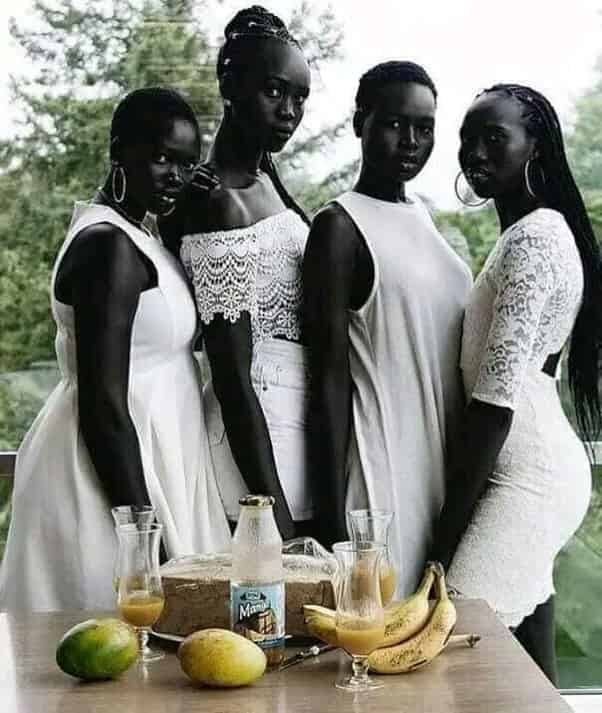
The Nilotic people represent one of the most distinct and culturally rich groups in Africa. They are primarily located along the Nile River and its surrounding regions, with their presence strongly associated with East Africa.
This article delves deep into their history, cultures, and the unique aspects that define them in today’s world.
Who are the Nilotic People?
The term “Nilotic” refers to various ethnic groups living along the Nile and in surrounding areas, including South Sudan, Uganda, Kenya, Tanzania, Ethiopia, and the Democratic Republic of the Congo. The term comes from the Nile River, which plays a central role in their geographic and cultural identity.
The Nilotic people are typically divided into three main subgroups:
– Western Nilotes, such as the Dinka, Nuer, and Shilluk in South Sudan.
– Eastern Nilotes, including the Maasai, Turkana, and Kalenjin of Kenya and Tanzania.
– Southern Nilotes, like the Teso and Karimojong found in Uganda and Kenya.
They are known for their distinctive languages, which belong to the Nilotic branch of the Nilo-Saharan language family, and for their tall and slender physical features, which have fascinated anthropologists for years.
History and Migration
The Nilotic people are believed to have originated from the Nile Valley in what is modern-day South Sudan and spread out to various regions over time. Their migration patterns were largely influenced by climatic changes and the search for arable land and water sources for their livestock.
Historically, Nilotic groups were pastoralists, depending heavily on cattle, goats, and sheep. Cattle, in particular, hold significant cultural and economic value. They are more than just livestock; they are a symbol of wealth, social status, and a key part of many rituals and traditions.
Culture and Traditions
Nilotic societies are known for their rich cultural traditions, many of which revolve around livestock. For example:
– Cattle-based economy: Cattle are central to social life, serving as dowry payments in marriages, part of conflict resolutions, and even as offerings to deities or spirits in various religious rituals.
– Age-sets and initiation: Many Nilotic groups, such as the Maasai and Turkana, organize society through an age-set system, in which individuals of the same age group progress through specific rites of passage and social roles over time. Initiation ceremonies, like circumcision or scarification, often mark the transition from youth to adulthood.
– Music and dance: Music plays a vital role in Nilotic culture. Singing, dancing, and the use of traditional instruments such as drums, flutes, and horns are common during social events, religious ceremonies, and celebrations.
Religiously, many Nilotic groups practice indigenous faiths, believing in a supreme being often associated with the sky and rain. Their religious practices are often intertwined with a deep connection to nature and the environment.
The Role of Women in Nilotic Societies
In many Nilotic communities, women play vital but often overlooked roles. While men typically handle cattle herding and warfare, women are the pillars of domestic life. They are responsible for tasks such as agriculture, household chores, and child-rearing. However, women also participate in economic activities, particularly in farming and trading, helping to sustain the family unit.
Nilotic women, especially in rural areas, often maintain traditional attire and customs. These include elaborate beadwork, colorful wraps, and body modifications like scarification, each carrying significant cultural meanings.
Challenges and Modern Developments
While Nilotic cultures have remained largely intact over centuries, modernity presents both opportunities and challenges. Some of the major issues Nilotic people face today include:
– Conflicts over land and resources: Many Nilotic groups, especially in South Sudan and northern Kenya, face conflicts related to grazing lands and water. With a history of pastoralism, access to these resources is critical, and climate change has intensified competition.
– Political instability: The Nilotic people of South Sudan, particularly the Dinka and Nuer, have been embroiled in civil conflicts that have greatly affected their way of life. Displacement, loss of livestock, and ongoing insecurity have taken a toll on these communities.
– Cultural preservation: As modernization and globalization spread, many younger Nilotic people are moving to urban areas, seeking education and employment. This migration has led to concerns about the preservation of traditional customs, languages, and lifestyles.
Nilotic People in the Globalized World
Despite these challenges, many Nilotic groups are successfully adapting to modern realities. Education has become more accessible, and Nilotic individuals are emerging as leaders in politics, business, and academia. For instance, several South Sudanese political figures, such as Salva Kiir Mayardit (a Dinka), have gained international prominence.
Efforts to preserve Nilotic culture and heritage are also increasing. Cultural festivals, such as the Maasai Mara Festival in Kenya, celebrate Nilotic traditions through music, dance, and storytelling. These events attract not only locals but also international tourists, contributing to the economy and raising awareness about Nilotic culture.
Additionally, the Nilotic diaspora, particularly in the United States, Canada, and Europe, is contributing to the preservation of their culture while integrating into new societies. Many diaspora members work tirelessly to support their communities back home, often contributing financially through remittances.
The Nilotic people, with their rich history, vibrant culture, and close relationship with nature, represent one of the most fascinating groups in Africa. Despite facing modern challenges such as political instability and cultural erosion, they have shown remarkable resilience. Their continued adaptation and influence in both local and global contexts reflect the strength of their heritage and the enduring significance of the Nile River in shaping their identity.
Frequently Asked Questions (FAQ) About the Nilotic People
1. How tall are Nilotes?
Nilotic people are known for their tall, slender stature. On average, Nilotic men can range from 6 feet (183 cm) to 6 feet 6 inches (198 cm), with some individuals being even taller. This characteristic has been attributed to both genetics and environmental factors, such as their traditional diet, which is rich in milk and meat from livestock.
2. Are Nilotes from Egypt?
While Nilotic people are not primarily from Egypt, their ancestors likely originated from the Nile Valley, which includes parts of modern-day Sudan and South Sudan. Egypt, particularly Upper Egypt near the Nubian region, shares a historical connection with Nilotic people due to proximity along the Nile River. However, the majority of Nilotic groups are found in countries further south, such as South Sudan, Kenya, Uganda, and Tanzania.
3. Are Nilotes Negroid?
The term “Negroid” is an outdated and controversial racial classification that was once used to categorize African populations based on physical traits. Modern science rejects such racial classifications in favor of understanding human diversity as a continuum shaped by genetics and environment. Nilotic people, like many East African groups, have distinct physical features, including tall stature and slender builds, but it’s important to view them in terms of their rich cultural identity rather than outdated racial labels.
4. What countries are Nilotic?
Nilotic people are spread across several East African countries, primarily along and near the Nile River. The countries with significant Nilotic populations include:
– South Sudan (e.g., Dinka, Nuer, Shilluk)
– Kenya (e.g., Maasai, Turkana, Kalenjin)
– Uganda (e.g., Teso, Karimojong)
– Tanzania (e.g., Maasai)
– Ethiopia (e.g., Anuak, Nuer)
– Democratic Republic of the Congo (e.g., Alur)
These countries are home to various Nilotic groups with unique languages, traditions, and cultures.