
Froze to Death and Lived: The incredible story of Anna Elisabeth Johansson Bågenholm
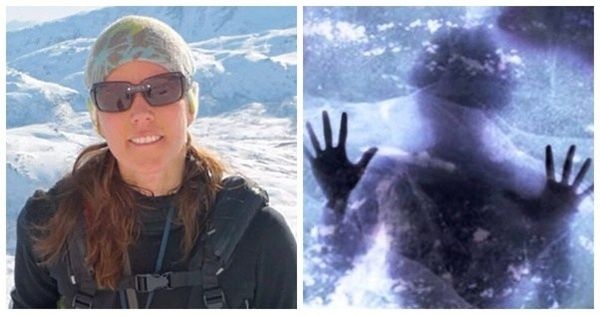
Anna Elisabeth Johansson Bågenholm’s story is nothing short of miraculous, and it serves as an inspiration to medical professionals and enthusiasts worldwide. Born in Sweden in 1970, Bågenholm became a household name in medical history following a skiing accident in 1999 that left her clinically dead for several hours due to extreme hypothermia.
Her survival from this near-impossible situation provides invaluable insights into the limits of human resilience and medical science. Let’s dive deep into Anna Bågenholm’s story, her ordeal, and how it changed the medical landscape for treating hypothermia patients.
The Accident: A Chilling Day in Norway
On May 20, 1999, 29-year-old Anna Bågenholm, an orthopedic surgeon, set out for a routine skiing trip with colleagues in the Kjolen Mountains near Narvik, Norway. The experienced skier had no idea that this would be a day that would challenge both her body and the limits of medical science.
While descending a steep slope, Bågenholm lost control of her skis and fell headfirst onto a frozen stream, breaking the ice and becoming trapped under the surface. Her colleagues quickly attempted to rescue her, but the force of the current and ice made it nearly impossible. For 80 excruciating minutes, Bågenholm remained submerged in freezing water, barely able to breathe in the pocket of air under the ice.
The Miracle of Survival
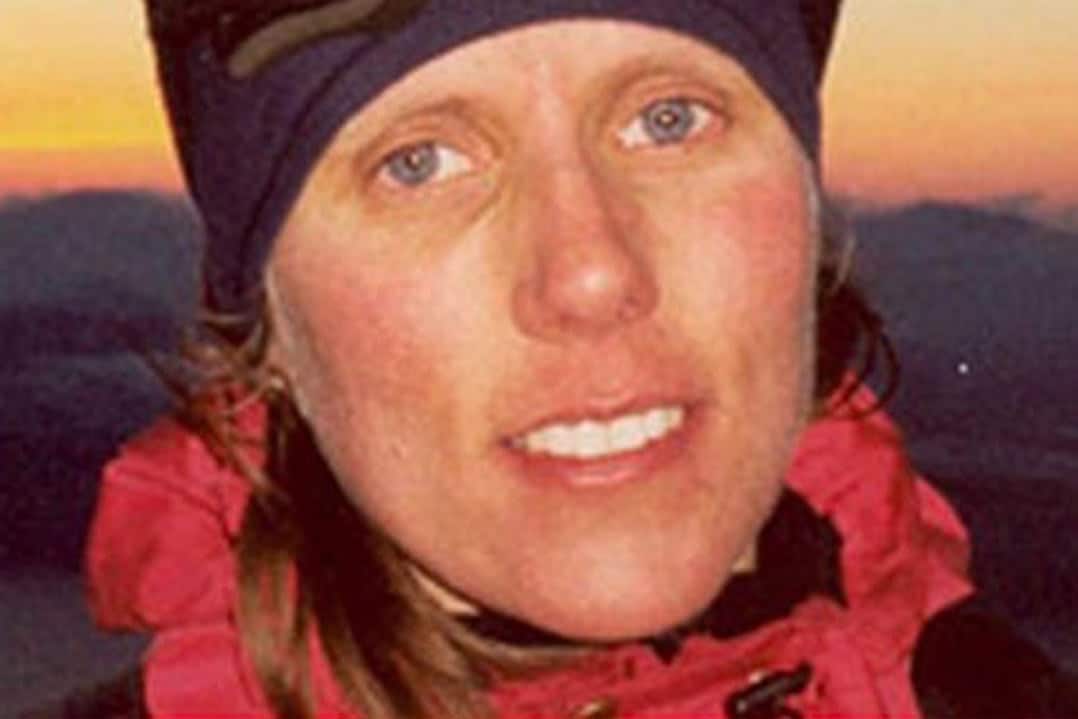
When Bågenholm was finally pulled out of the ice, her body temperature had dropped to an astonishing 13.7°C (56.6°F)—one of the lowest ever recorded in a human being. Normally, the human body functions around 37°C (98.6°F), and hypothermia begins to set in when the body temperature drops below 35°C (95°F). Yet, despite having no pulse and being clinically dead, Anna Bågenholm would live to tell the tale.
Upon arrival at the University Hospital of North Norway in Tromsø, a team of over 100 medical professionals sprang into action. Over the next nine hours, they employed techniques like cardiopulmonary bypass, which gradually warmed her blood, thus restoring her vital signs. Miraculously, her heart started beating again after being clinically dead for more than three hours.
Hypothermia and Its Impact on the Body
The key to Bågenholm’s survival lies in how her body responded to the extreme cold. Hypothermia slows the body’s metabolic processes to a near standstill. In her case, the cold protected her vital organs—particularly her brain—from the effects of oxygen deprivation. This allowed her to survive the prolonged period without normal blood flow.
This incident pushed the boundaries of medical knowledge and hypothermia treatment. Bågenholm’s case helped highlight the importance of not giving up on hypothermia victims too soon, as their bodies can sometimes endure conditions that would normally result in death.
Recovery and Legacy
Anna Bågenholm spent several weeks in intensive care. Remarkably, she made a full recovery, although she did experience some nerve damage in her hands and feet. Her story continues to inspire both the medical community and the general public.
Her case led to an increased understanding of therapeutic hypothermia in medical treatments, especially in cases involving cardiac arrest, stroke, and traumatic injuries. By artificially inducing hypothermia, doctors can slow the body’s metabolic rate and protect the brain during critical periods, reducing the risk of long-term damage.
Medical and Scientific Significance
Bågenholm’s survival is often regarded as a medical miracle, but it also serves as a testament to modern medical capabilities. Her case prompted further research into the use of hypothermia in critical care. Today, cooling techniques are used for patients who have suffered cardiac arrest or brain trauma to reduce the risk of permanent brain damage.
Her experience demonstrates how understanding the body’s response to extreme environments can lead to life-saving advancements in medical treatments. Doctors now know that patients suffering from extreme hypothermia might still be saved, even when their vital signs appear absent.
Anna Bågenholm Today
After her full recovery, Anna Bågenholm returned to her medical career and continued working as a doctor in Sweden. Her survival story is not only a testament to her physical and mental resilience but also a tribute to the life-saving potential of medical science.
Her ordeal continues to be a source of fascination and education, appearing in numerous medical journals and documentaries. Bågenholm’s name is now synonymous with medical breakthroughs in the treatment of hypothermia, making her an enduring figure in the field of emergency medicine.
Anna Elisabeth Johansson Bågenholm’s story is one of survival against all odds. Her case has transformed the medical approach to treating hypothermia patients and highlighted the incredible potential of modern medicine. From a tragic skiing accident to a miraculous recovery, Anna Bågenholm has etched her name into the annals of medical history.
Her remarkable survival continues to inspire doctors, researchers, and adventurers alike, reminding us that even in the most extreme conditions, the human body and modern medicine can work together to achieve the impossible.
FAQ: Anna Elisabeth Johansson Bågenholm and Her Hypothermia Survival Story
1. Who is Anna Elisabeth Johansson Bågenholm?
Anna Bågenholm is a Swedish orthopedic surgeon who survived one of the lowest recorded body temperatures in history after a skiing accident in 1999, where she was trapped in freezing water for 80 minutes.
2. What happened to Anna Bågenholm?
While skiing in the Kjolen Mountains in Norway, Bågenholm lost control and fell into a frozen stream, becoming trapped under the ice for over an hour. Her body temperature dropped to 13.7°C (56.6°F), rendering her clinically dead for over three hours.
3. How did Anna Bågenholm survive extreme hypothermia?
Her body was cooled so rapidly by the icy water that it slowed down her metabolic processes, which protected her brain and organs from damage caused by lack of oxygen. A medical team used advanced techniques like cardiopulmonary bypass to gradually warm her blood and revive her.
4. What was her body temperature when she was rescued?
Anna Bågenholm’s body temperature was 13.7°C (56.6°F) when she was rescued, which is one of the lowest recorded body temperatures in a human being.
5. How long was Anna Bågenholm clinically dead?
She was clinically dead for more than three hours. Despite having no heartbeat or pulse during this time, she was successfully revived.
6. Did Anna Bågenholm make a full recovery?
Yes, despite being clinically dead for hours, she made a remarkable recovery. She experienced some nerve damage, but there were no major long-term physical or cognitive impairments.
7. What medical techniques were used to save her?
Doctors used cardiopulmonary bypass, which circulates and warms the blood, helping to gradually restore her body temperature and bring her back to life. Her case contributed to medical advancements in hypothermia treatment.
8. How did her survival impact medical science?
Bågenholm’s survival expanded knowledge on the effects of extreme hypothermia and informed medical protocols for treating hypothermia patients, particularly regarding the use of therapeutic hypothermia in emergency care.
9. Is Anna Bågenholm’s case unique?
Yes, her case is one of the most extraordinary examples of hypothermia survival. Few people have survived after having their body temperature drop so low and being clinically dead for such a long period.
10. What is Anna Bågenholm doing today?
After her recovery, Anna Bågenholm returned to work as an orthopedic surgeon in Sweden. She continues to inspire the medical community and the general public with her remarkable story.
11. What lessons can be learned from Anna Bågenholm’s case?
Her survival shows the incredible resilience of the human body and the importance of not giving up on hypothermia patients too early, as the body can endure far more extreme conditions than previously thought.
12. How does hypothermia protect the brain and organs?
In extreme cold, the body slows down its metabolic processes, including brain activity and circulation. This “protective shutdown” can delay damage from lack of oxygen, allowing more time for medical intervention.